

Delivery Van vs Cargo Van: What’s the Difference?
Delivery Van vs Cargo Van get used as if they mean the same thing, and often the same vehicle wears both labels. But the two terms describe different jobs, and once you are buying, renting or specifying a vehicle, Delivery Van vs Cargo Van the difference matters. Choose by the label alone and you can end up with a van that is wrong for your goods especially if those goods need to stay cold.
Here is what actually separates a delivery van from a cargo van, and how to pick the right one.
The short answer of Delivery Van vs Cargo Van.
A cargo van is defined by what it carries: general freight and goods, usually in bulk, with a large open load space and no seats behind the driver. The word describes capacity. Delivery Van vs Cargo Van.
A delivery van is defined by what it does: bringing goods to their final destination a shop, an office, a home often in smaller, more frequent drops. The word describes the task. Delivery Van vs Cargo Van.
The overlap is real: many delivery vans are simply smaller cargo vans, and a large cargo van can absolutely do delivery work. . The useful distinction is not the badge on the vehicle but the job you need it to do and, above all, whether your goods need temperature control. Delivery Van vs Cargo Van.
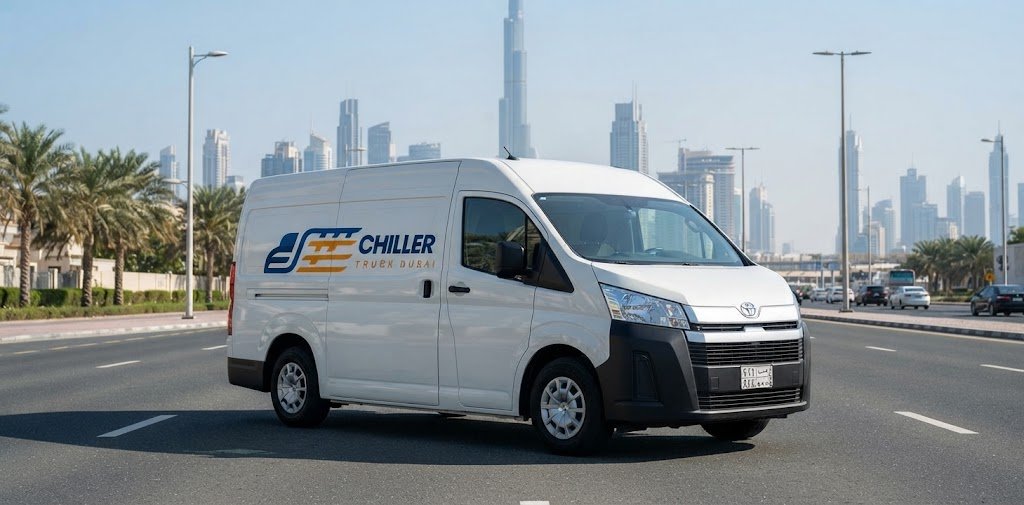
Difference 1: Purpose and route
A cargo van is built for moving volume between points supplier to warehouse, warehouse to distribution centre, one bulk haul at a time. A delivery van is built for the last mile: many stops, Delivery Van vs Cargo Van, tight streets, frequent door-opens, and a route that changes daily. If your work is one big load between two places, that leans cargo. If it is many small drops across a city, that leans delivery.
Difference 2: Size and payload
Cargo vans skew larger, with higher payloads and bigger load volumes for bulk freight. Delivery vans are often smaller and more manoeuvrable, trading maximum capacity for the ability to weave through dense areas and park at the kerb. Bigger is not better if half the space runs empty and the van cannot reach the drop.
Difference 3: Access and loading
A cargo van is usually optimised for loading bulk from a dock wide rear doors, a flat floor, sometimes a tail lift. A delivery van is optimised for quick, repeated access at street level, with side doors and easy reach so a driver can grab one order and go without unpacking the whole load.
Difference 4: Refrigeration the one that decides it for food
This is the difference that trips people up. A standard cargo van or delivery van is a dry vehicle: it has no temperature control. That is fine for parcels, packaged goods and dry stores. It is entirely wrong for anything perishable.
If your goods must stay cold, neither a plain cargo van nor a plain delivery van will do. You need a refrigerated version:
A chiller van for fresh, chilled goods that must stay cold but never freeze dairy, produce, prepared food, flowers holding 0–5°C.
A freezer van for frozen goods that must stay at 18°C or colder.
The choice between those two comes down to a single question fresh or frozen which we cover in [chiller van vs freezer van. In the UAE heat, putting perishable food in a dry delivery or cargo van is not a shortcut; it is how loads spoil and get rejected. Delivery Van vs Cargo Van.
At a glance
Cargo van — bulk freight, larger, dock loading, one big haul, dry.
Delivery van — last-mile, smaller and nimble, street-level access, many drops, dry.
Refrigerated chiller/freezer van — either job, but with temperature control for perishable goods.
Which one does your business need?
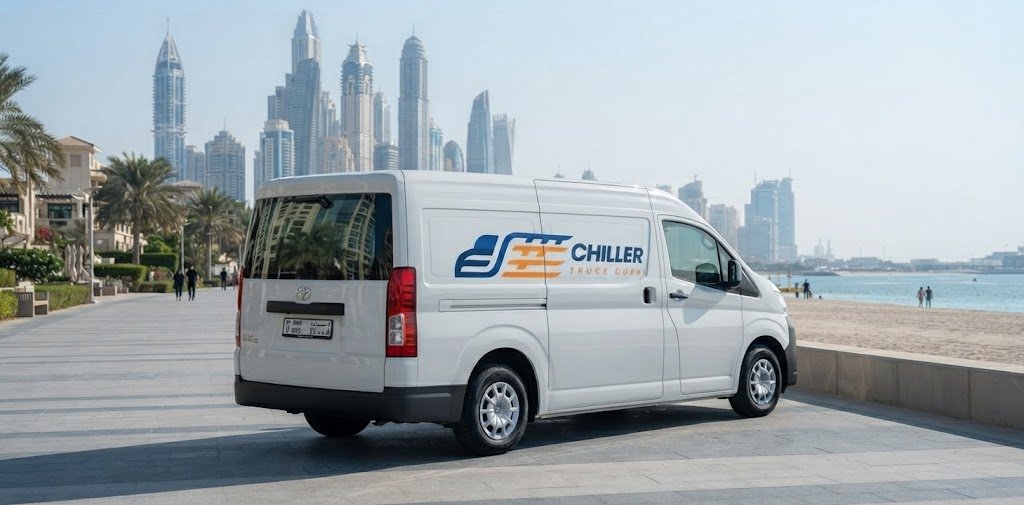
Work backwards from your goods and route:
Dry, packaged, non-perishable goods, bulk between points → a cargo van.
Dry, packaged goods, many small drops → a delivery van.
Fresh or chilled food, pharmacy, flowers → a chiller van, whatever you call the body.
Frozen food or ice cream → a freezer van or truck.
A mix of chilled and frozen → a dual-zone refrigerated vehicle.
In other words, cargo van or delivery van is the right question only for dry goods. The moment temperature enters the picture, the real decision is dry versus refrigerated and then chilled versus frozen. Delivery Van vs Cargo Van
A note for UAE operators
If you carry food commercially in Dubai, the vehicle is regulated regardless of what you call it. Any vehicle transporting temperature-controlled food needs a Dubai Municipality food-vehicle permit and must meet the Food Code temperatures chilled at 5°C or colder, Delivery Van vs Cargo Van frozen at 18°C or colder. A dry cargo or delivery van cannot meet those requirements for perishable food, which is another reason the refrigerated distinction matters more than the cargo-versus-delivery one. Delivery Van vs Cargo Van.
- A suitable van can help reduce unnecessary fuel and operating costs.
- Businesses can choose daily, weekly, or monthly van rental options based on demand.
- Temperature-controlled vans are available for businesses transporting chilled or frozen products.
- Proper vehicle selection can make UAE deliveries safer and more efficient.
- Comparing delivery vans and cargo vans helps businesses choose the most practical solution for their transportation needs
The bottom line
A cargo van describes capacity; a delivery van describes the task; and for perishable goods, both are beside the point until you have decided dry versus refrigerated. Pick the vehicle by the goods and the route, not the label and if the goods need to stay cold, start with a chiller or freezer van built for the job.
Not sure which refrigerated van fits your goods? Tell us what you carry and we will match it. Get a quote or compare the chiller van and freezer van. Delivery Van vs Cargo Van
Delivery vans are ideal for smaller, frequent deliveries across UAE cities, while cargo vans offer more space for larger or bulkier goods. The right choice depends on your cargo size, payload requirements, delivery distance, and business needs in Dubai, Abu Dhabi, Sharjah, and other UAE areas.
- Delivery vans are designed for quick and efficient transportation of goods across the UAE.
- Cargo vans provide more enclosed space for larger or heavier items.
- A delivery van is suitable for e-commerce, retail, parcels, and local deliveries.
- Cargo vans are useful for furniture, equipment, boxes, and commercial goods.
- Businesses in Dubai often choose smaller vans for frequent urban deliveries.
- Cargo vans can be a better option when you need additional loading capacity.
- Both van types can support deliveries across Dubai, Abu Dhabi, and Sharjah.
- The right vehicle depends on your cargo size, weight, and delivery frequency.
- Consider the available loading space before choosing a rental van.
- Payload capacity is important when transporting heavy commercial goods.